 Thistle & Seam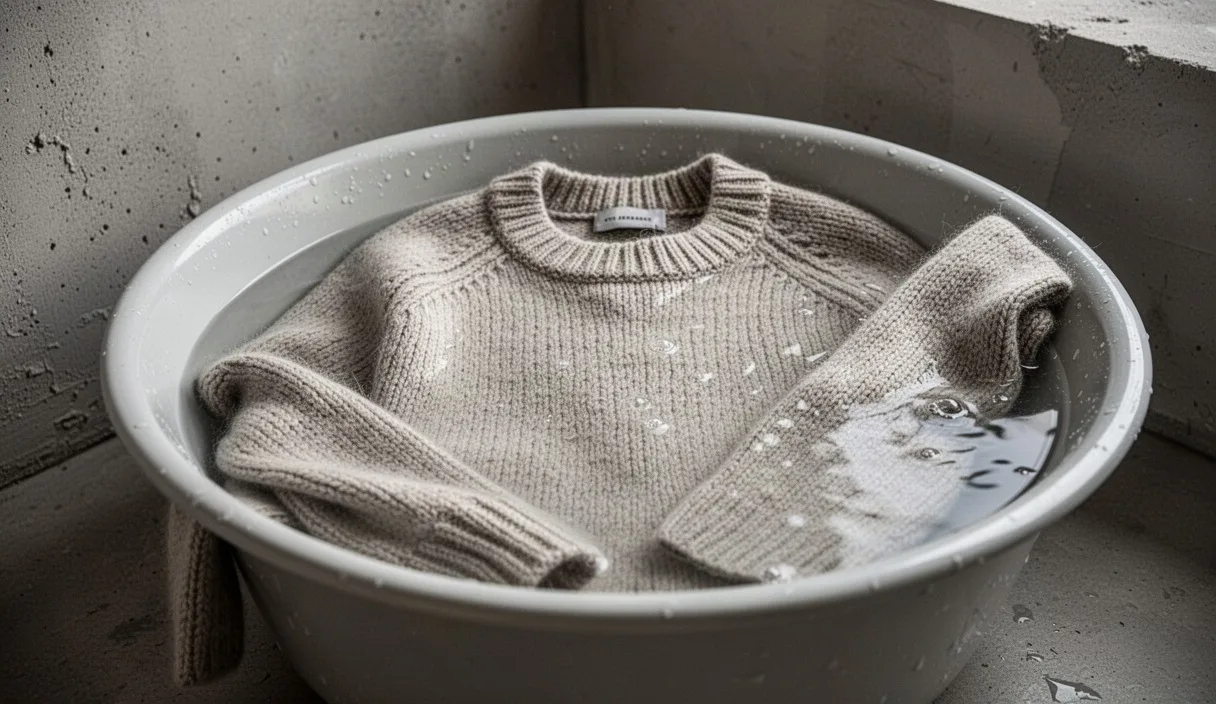

Pull a wool sweater out of a washing machine and find it the size of a doll's cardigan, and you'll never trust a "wool cycle" again. But here's the question worth asking: is it the machine's fault, or is it what happens to wool fibers the moment water touches them? Once you understand that, the hand-washing-versus-machine debate stops being a matter of opinion and becomes a matter of physics.
Wool isn't like cotton or polyester. It's hair, essentially, built from the same protein, keratin, that makes up your own hair and fingernails. That structure is exactly why wool behaves so differently in water, and why the method you choose to wash it matters far more than it does for a t-shirt. Below, we'll walk through what's actually happening to the fiber, why some washing motions are riskier than others, and how to pick the right method for the wool you own.
What Happens to Wool Fibers When They Get Wet
Each wool fiber is covered in overlapping scales, similar to roof shingles. When wool is dry, those scales lie flat and smooth, which is part of why wool feels soft and why it resists dirt. Water changes that. Moisture causes the scales to lift slightly, like shingles swelling after rain, opening up small gaps between them.
At the same time, the protein structure inside the fiber, called keratin, loosens its internal bonds when wet, especially in warm water. Think of the fiber as a tightly coiled spring. Dry, the spring holds its shape. Wet, the coils can shift and stretch. This is why a wet wool sweater sags when you pick it up by the shoulders. The fiber temporarily loses the structure that normally holds its shape.
This isn't a flaw in the fabric. It's the same property that lets wool be shaped into felt, shrunk into boiled wool jackets, or blocked into a new size by hand knitters. The fiber is flexible and workable when wet, which is exactly why it also needs to be handled carefully while it's in that state.
Why Agitation Causes Shrinking and Felting
Agitation is just a technical word for movement, rubbing, twisting, tumbling. In a washing machine, agitation comes from the drum spinning and the fabric rubbing against itself and the machine walls. For wool, that movement is the real danger, not the water itself.
Remember those lifted scales from the previous section. When wet wool fibers rub against each other repeatedly, the raised scales catch on neighboring fibers and lock together, a bit like two burrs sticking to each other. This locking is called felting. Once fibers felt, they can't be pulled apart again. The fabric becomes denser, thicker, and smaller, because thousands of tiny fibers have permanently interlocked.
Shrinking and felting are related but not identical. Shrinking can also happen from heat alone, since hot water and hot dryer air cause the fiber to contract. But agitation makes shrinking far worse and far faster, because it physically forces fibers into contact while they're in their most vulnerable, swollen state. A standard washing machine cycle can produce dozens of rotations per minute. Each rotation is another chance for fibers to catch on each other.
This is why a wool sweater run through a regular cycle can lose two or three sizes in a single wash, while the same sweater hand washed gently for years might barely change shape at all.
How Hand Washing Reduces Friction
Hand washing works because it removes almost all of the agitation that causes felting, while still allowing water and a mild detergent to clean the fibers. Done correctly, it's less like scrubbing a dish and more like soaking a teabag.
Here is a simple hand-washing method that works for most wool sweaters, scarves, and blankets:
- Fill a basin or clean sink with lukewarm water, roughly room temperature, not hot. Hot water accelerates fiber swelling and increases shrink risk.
- Add a small amount of a wool-safe detergent, about one teaspoon for a sink-sized basin. Regular laundry detergent is often too alkaline for wool and can roughen the fiber surface over time.
- Submerge the garment and press it gently with open palms, the way you'd press water out of a sponge. Do not rub, twist, or wring.
- Let it soak for 10 to 15 minutes so the detergent can loosen dirt and oils.
- Drain the soapy water and refill with clean water at the same temperature. Press the garment gently again to rinse. Repeat until no suds remain, usually two to three rinses.
- Press, not wring, excess water out. Lift the garment with both hands supporting its weight evenly, so you're not stretching one section.
Notice that every step avoids the motion that causes felting. There's no rubbing fiber against fiber, no twisting that forces scales to catch. The cleaning happens because the water and detergent do the work, not friction.
When a Wool Cycle on a Machine Is Just as Safe
Hand washing isn't the only safe option, and it's worth knowing when a machine can do the job without damage. Many modern washing machines include a "wool" or "delicate" cycle, and the engineering behind it directly addresses the agitation problem described earlier.
A true wool cycle typically does three things differently from a normal cycle: it uses a slower drum rotation speed, often under 1,200 RPM for the spin and a gentler tumble for the wash itself, it shortens the wash time to limit total fiber-to-fiber contact, and it uses cooler water, usually around 86 to 95°F (30 to 35°C), to reduce fiber swelling.
Here's a comparison of what separates a safe wool cycle from a regular cycle:
| Factor | Regular Cycle | Wool/Delicate Cycle |
|---|---|---|
| Drum movement | Frequent, vigorous tumbling | Slow, occasional tumbling |
| Spin speed | 800 to 1,600 RPM | 400 to 800 RPM, often lower |
| Water temperature | Often 104°F (40°C) or higher | 86 to 95°F (30 to 35°C) |
| Cycle length | 45 to 90 minutes | 20 to 40 minutes |
Even with a genuine wool cycle, the garment should go in a mesh laundry bag. This keeps it from stretching against the drum and stops buttons, zippers, or rougher fabrics in the same load from snagging the wool fibers. Also check the care label first. A label that says "hand wash only" usually means the wool is either loosely spun, blended with a delicate fiber like cashmere, or structurally thinner than a standard sweater knit, and even a gentle machine cycle carries more risk for those pieces.
Drying Wool Without Undoing Your Work
A careful wash can be ruined in the dryer, because heat alone, without any agitation, can still shrink wool. The fiber contracts as it dries quickly in hot air, similar to how a rubber band tightens slightly after being warmed. So the drying step deserves the same attention as the washing step.
The safest method is air drying flat. Lay the wet garment on a clean, dry towel on a flat surface, away from direct sunlight, which can fade color and dry the fiber unevenly. Gently reshape the garment to its original dimensions while it's still damp, smoothing the shoulders, straightening the sleeves, easing out the hem. Wool holds the shape it's given while damp, so this is your chance to correct any stretching from the wash.
Roll the towel with the garment inside, like rolling a sleeping bag, and press to absorb extra water before laying it out to finish drying. Flip the garment halfway through drying, which usually takes 12 to 24 hours depending on thickness and humidity, so both sides dry evenly.
Never hang a wet wool sweater on a hanger. The weight of the water pulls the shoulders and body downward, stretching the garment permanently out of shape, since wet fiber has little structural resistance, as covered earlier. And avoid the dryer entirely for wool unless the care label specifically states it's dryer-safe, which is rare.
Common Mistakes
A few habits account for most wool damage, and none of them require expensive equipment to avoid:
- Using hot water "to get it really clean." Heat swells and weakens fiber bonds; lukewarm water cleans wool just as effectively without the risk.
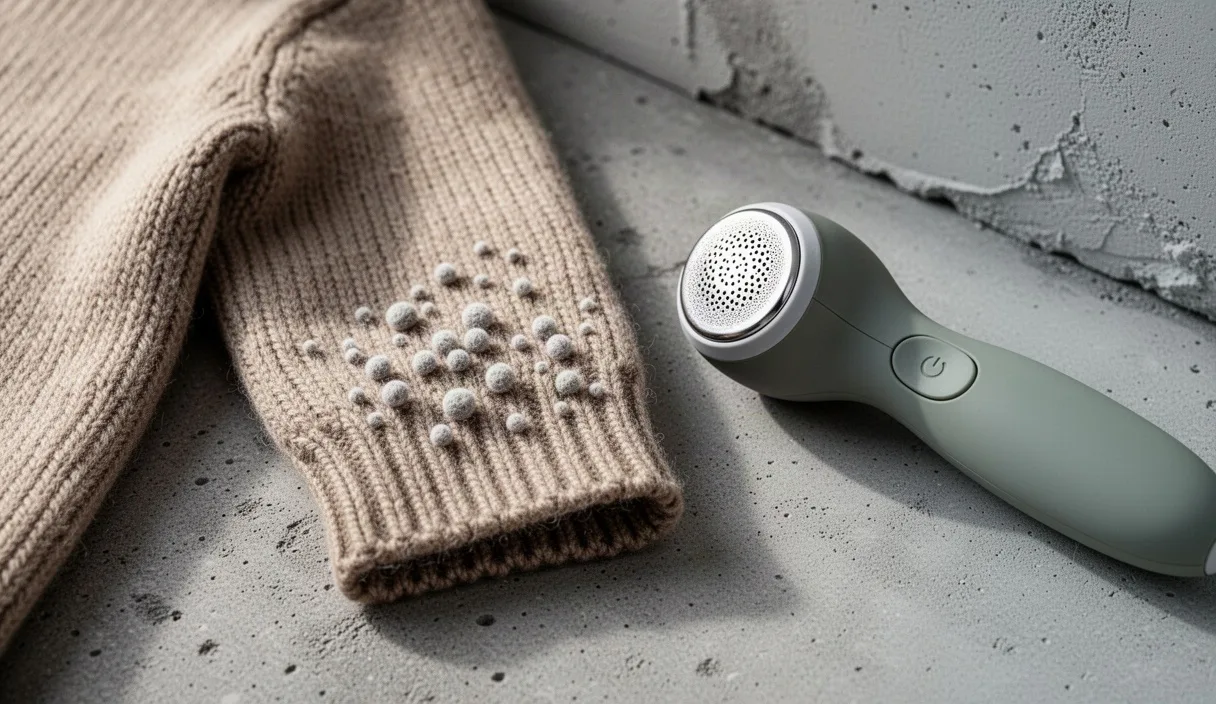
- Rubbing stains instead of soaking them. Rubbing concentrates agitation in one spot, which is often where felting shows up first as a small, dense patch.
- Skipping the care label. Blended wool, like a wool-cashmere mix, often behaves differently than 100% wool and may need a gentler process than you'd assume.
- Hanging wet wool to dry. As noted above, this stretches the garment permanently, usually at the shoulders and hem.
- Assuming all machine cycles labeled "delicate" are equal. Some older or budget machines don't reduce spin speed enough; if your machine is more than eight to ten years old, hand washing may be the safer default.
If a garment is especially valuable, an heirloom sweater, a tailored wool coat, or something with structural lining, consider consulting a professional cleaner who specializes in wool or natural fibers before washing it yourself at home.
A Quick Decision Guide for Your Next Wash Day
You don't need to memorize fiber science every laundry day. Use this simple filter: if the care label says "hand wash only," or the item is loosely knit, blended with a delicate fiber, or sentimental enough that a mistake would be costly, hand wash it using the steps outlined above. If the label allows machine washing, your machine has a genuine wool or delicate cycle with reduced spin speed, and you use a mesh bag and cool water, a machine cycle is reasonable.
Either way, the drying process matters as much as the washing process, so lay the garment flat, reshape it while damp, and keep it away from direct heat and hanging storage. Wool rewards patience more than force, and once you see the fiber itself as the reason, not the detergent, not the brand, not the water, the whole process stops feeling like guesswork.