 Thistle & Seam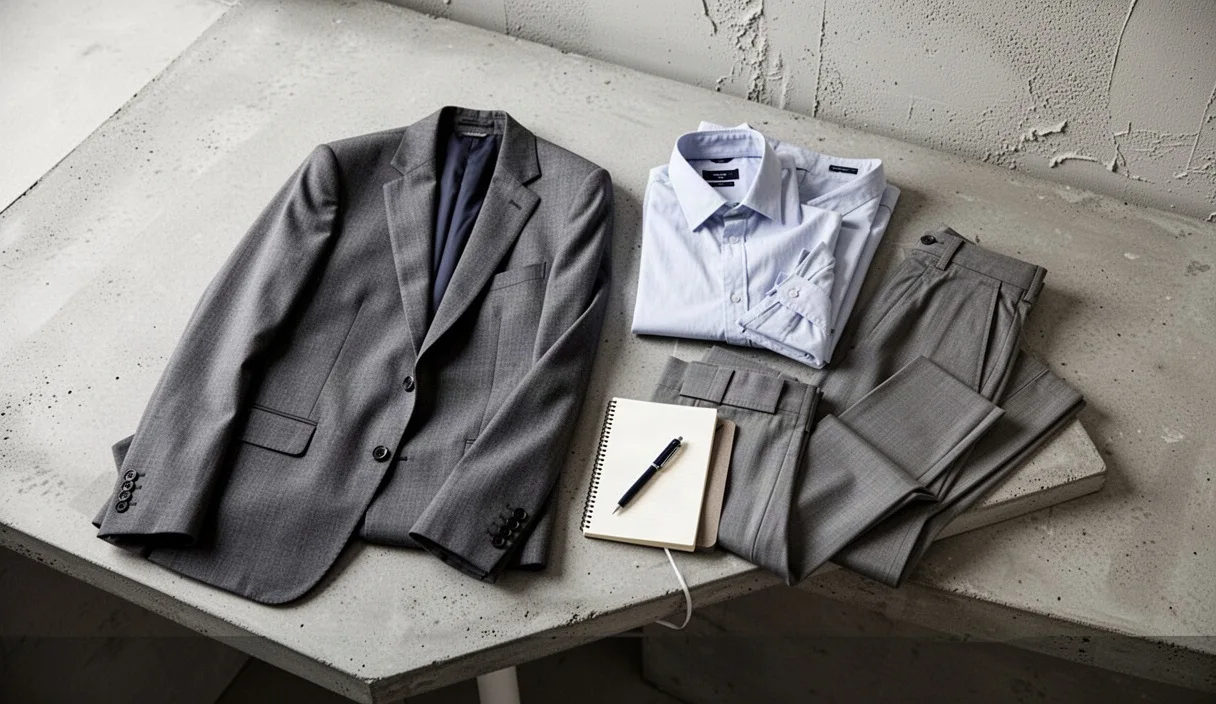

A work wardrobe does not have to drain your savings account to look put together. The real problem most people run into is not a lack of money, it's a lack of plan. They buy a blazer because it's on sale, then a dress because it's cute, then realize none of it works together and they're still standing in front of the closet every morning saying they have nothing to wear.
This guide walks through a specific order of operations: figure out what you actually need, pick colors that multiply your outfit options, buy the boring stuff first, and use secondhand shopping to fill the gaps that would otherwise cost full price. Follow it in sequence and a genuinely functional work wardrobe is possible on a budget between 300 and 600 dollars over two to three months, built piece by piece rather than in one expensive weekend.
Why Cost Per Wear Matters More Than Price Tag
Think about a 20 dollar shirt that you wear twice before the seams give out, versus a 45 dollar shirt you wear 80 times. The cheap shirt costs 10 dollars per wear. The pricier one costs about 56 cents per wear. Price tag tells you what leaves your wallet today. Cost per wear tells you what the item actually costs you over time, and it's the number that matters when you're trying to build something that lasts.
To calculate it, divide the price by a realistic estimate of how many times you'll wear the item in a year, then multiply by how many years it will likely hold up. A pair of 70 dollar trousers worn twice a week for two years comes out to roughly 35 cents per wear. A 25 dollar pair from a fast-fashion rack that loses its shape after 15 wears costs you about 1.67 dollars per wear, more than four times as much, even though it looked like the cheaper choice at checkout.
This is why a tight budget actually argues for spending more on a handful of items and less on everything else, not spreading money evenly. The goal is not to buy cheap. The goal is to buy things that earn their keep.
- High cost-per-wear risk: trendy colors, delicate fabrics like unlined silk, anything dry-clean only if you don't already use a dry cleaner regularly.
- Low cost-per-wear potential: neutral trousers, cotton-blend button-downs, a structured bag, well-made flats or loafers.
Defining the Dress Code You Actually Need
Before buying anything, write down what your workplace actually requires, not what you assume an office job requires. A law firm, a construction site office, and a marketing startup all fall under "professional" but need completely different wardrobes. Spending money on blazers for a job that's business casual with jeans allowed is money you didn't need to spend.
Spend one week paying attention to what coworkers one level above you wear on a normal Tuesday, not during a client pitch or an all-hands meeting. That's your real baseline. If you're not sure, ask your manager or HR directly what the dress expectations are. There's no penalty for asking, and guessing wrong costs more than the question does.
Sort your findings into three practical categories:
- Formal days: client meetings, presentations, interviews. Usually need 1 to 2 outfits in rotation.
- Standard days: the bulk of the week. This is where most of your budget should go.
- Casual days: Fridays, remote days, internal meetings only. Often the cheapest category to fill.
Most people overspend on the formal category because it feels the most important, then run short on standard-day clothes, which is backwards since standard days happen four times more often.
Choosing a Base Color Palette
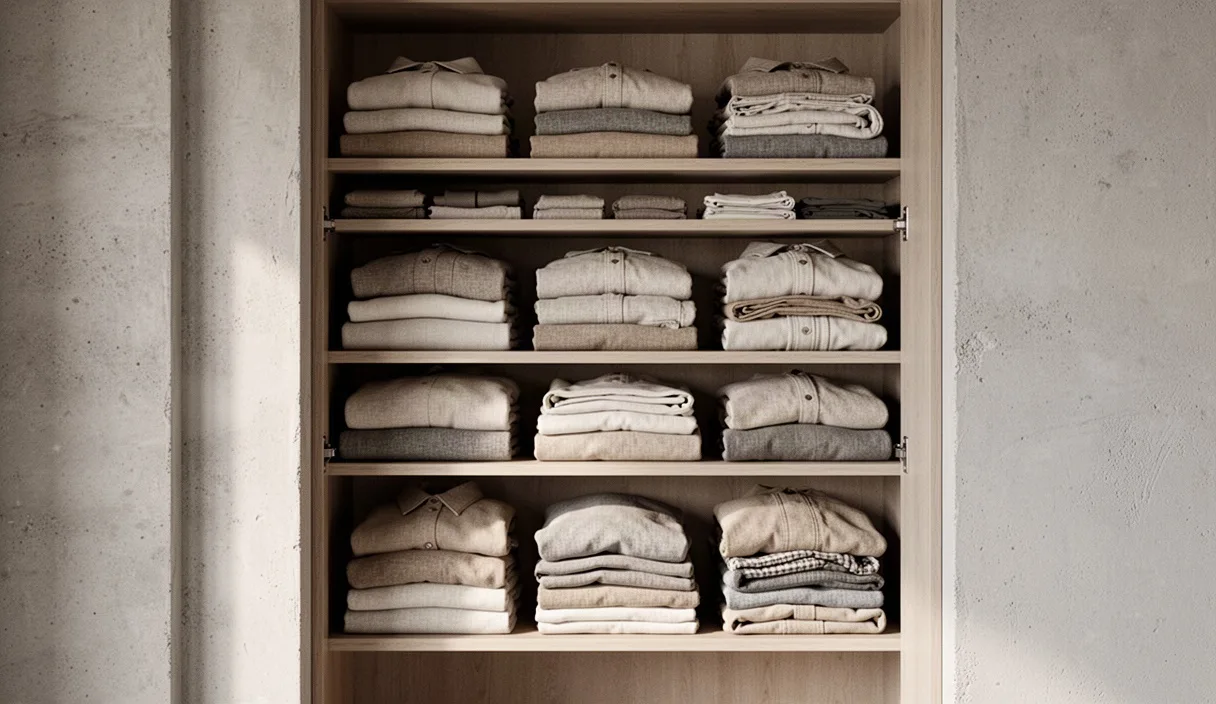
A wardrobe built around three or four colors that all coordinate with each other works like a set of interlocking puzzle pieces, every item connects to several others instead of standing alone. Pick one dark neutral (navy, charcoal, or black), one lighter neutral (gray, beige, or cream), and one accent color you genuinely like wearing, such as burgundy, olive, or a muted blue.
Here's the math on why this matters: five tops and three bottoms in random colors give you, at best, a handful of combinations that actually look intentional. Five tops and three bottoms in one coordinated palette can produce 15 wearable combinations, because nothing clashes. You didn't buy more clothes, you just bought smarter ones.
| Palette Role | Example Colors | Typical Use |
|---|---|---|
| Dark neutral | Navy, charcoal, black | Trousers, blazer, skirt |
| Light neutral | Gray, cream, beige | Shirts, cardigans |
| Accent | Burgundy, olive, muted blue | One or two statement tops, scarf |
Avoid choosing an accent color you only sort of like because it was on sale. If you don't reach for it in your personal closet already, you won't reach for it at work either, and that purchase becomes dead weight hanging between the pieces you actually wear.
Buying Basics Before Statement Pieces
A good rule of thumb: nothing eye-catching gets purchased until the boring foundation is in place. Think of it the way a house gets built, the frame and plumbing go in before anyone picks paint colors. Buying a bold patterned blazer before you own two pairs of well-fitting neutral trousers means you have a nice jacket and nothing to put it with.
A practical basics list for a standard five-day office rotation looks like this:
- 2 pairs of trousers in your dark neutral
- 1 skirt or additional trouser in your light neutral
- 4 to 5 tops that mix and match across both neutrals
- 1 blazer or cardigan in the dark neutral
- 1 pair of shoes that work for both standard and formal days
That's roughly 9 to 10 pieces that, combined with the color palette logic above, can produce two to three weeks of outfits without obvious repetition. Only after this list is complete should money go toward a patterned dress, a bright cardigan, or statement jewelry. Those pieces are what make the basics feel personal, but they can't do any work on their own.
A common budget trap is reversing this order: buying one exciting piece per paycheck because basics feel boring to shop for. Three months in, the closet has five statement pieces and nothing plain to wear them with.
Filling Gaps With Secondhand Finds
Secondhand shopping works best for exactly the items that are expensive to buy new and hard to wear out quickly: blazers, wool trousers, leather bags, and shoes that have been well cared for. A structured blazer at a thrift store or consignment shop often runs 15 to 35 dollars, compared to 90 to 200 dollars new, and a quality blazer can genuinely last a decade with basic care.
Consignment shops and thrift stores are not equivalent, and knowing the difference saves time. Consignment shops curate inventory and price higher, usually 30 to 50 percent of original retail, but items are pre-screened for condition. Thrift stores price lower, often flat rates like 5 or 8 dollars regardless of brand, but require more digging and a willingness to check every seam yourself.
When shopping secondhand for work pieces, check three things every time: the underarms and collar for permanent staining, the lining for tears (a torn lining is fixable for a few dollars at a tailor, a ripped outer shell usually isn't worth the repair), and the button and zipper function. A missing button is a non-issue, a broken zipper on a skirt is a bigger decision.
Online resale platforms add another layer: searching by brand name for pieces you already know fit well (a specific trouser cut, a known blazer brand) often turns up barely-worn items at a fraction of retail, though shipping costs and the inability to try before buying mean a measuring tape and your own body measurements become essential tools.
A Simple Budget Breakdown by Category
A total budget of 450 dollars spread across three months, roughly 150 dollars a month, might break down like this for someone starting close to zero:
| Category | Suggested Budget | What It Buys |
|---|---|---|
| Trousers and skirts | 100 to 130 dollars | 3 to 4 bottoms, mix of new basics and secondhand |
| Tops and shirts | 80 to 100 dollars | 5 to 6 tops, mostly new for fit consistency |
| Outerwear (blazer/cardigan) | 60 to 90 dollars | 1 to 2 pieces, ideally secondhand blazer |
| Shoes | 70 to 100 dollars | 1 versatile pair, new for comfort and support |
| Accessories/accent pieces | 40 to 60 dollars | Bag, scarf, 1 statement piece |
Shoes are listed as a "buy new" item deliberately. Secondhand shoes carry more risk because wear patterns from a previous owner can affect fit and comfort in ways that aren't obvious from a quick try-on, and foot health is worth not gambling on. If budget pressure is severe, a podiatrist or shoe fitting specialist can advise on which features matter most for your specific needs before you spend money either way.
Common Mistakes
The most frequent mistake is buying for the job you want instead of the job you have, loading up on formal pieces for a workplace that's actually business casual most days. A close second is ignoring fit in favor of price: a 15 dollar shirt that gaps at the buttons or bunches at the shoulders will get worn less often than a 35 dollar shirt that actually fits, which defeats the cost-per-wear math entirely. Skipping the "what does my workplace actually require" research step and guessing also leads to wasted purchases that sit unworn.
Next Steps
Start by spending one week simply observing, not buying: note your workplace's real dress code, pick your three-color palette, and list what you already own that fits those colors. Then tackle the basics list in order of how often you'll wear each piece, trousers and tops first, statement items last. Check secondhand sources for blazers, bags, and shoes before buying new, but budget new purchases for shoes themselves given the fit and comfort considerations involved. Track what you spend against the category breakdown above, and adjust the percentages based on your actual workplace needs rather than following the numbers rigidly.